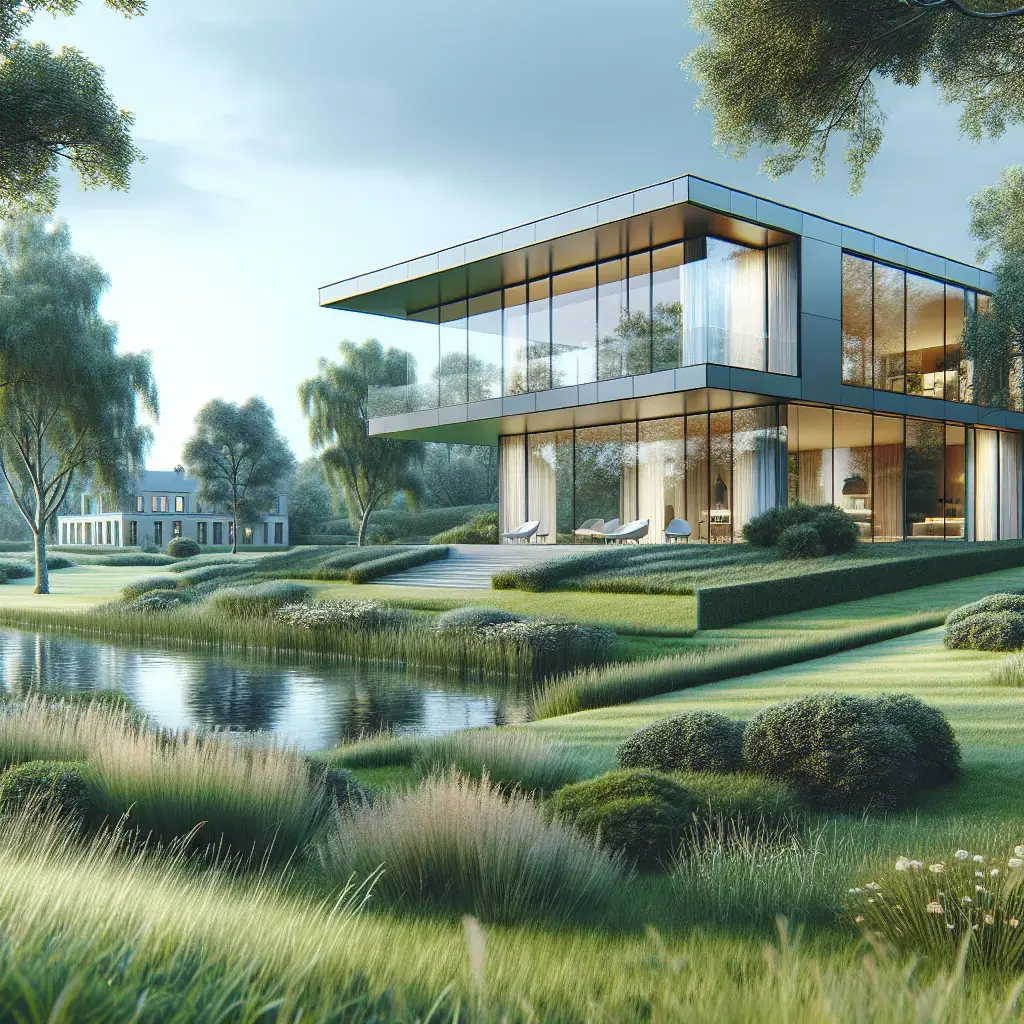
In the heart of Aveiro, Portugal, an architectural masterpiece breathes new life into the old while preserving its historic charm.
In the world of architecture, few projects manage to harmonize the past with the present as seamlessly as Paulo Martins' Park House. Located on a serene street opposite the lush landscapes of Aveiro, this project is a testament to the delicate art of architectural restoration and expansion. It serves as a shining example of how historical buildings can be revived to meet modern needs without losing their intrinsic character.
The Art of Restoration
Restoration is not merely about preserving what once was; it’s about understanding the stories etched into the walls and floors of historical buildings. The Park House project embodies this philosophy by maintaining the building’s original essence while incorporating contemporary design elements. This balance is crucial in restoration projects as it ensures that historical significance is not overshadowed by modern functionality.
Preserving Heritage: The original structure of Park House was meticulously preserved, maintaining its historical façade and interior details. This decision underscores the importance of heritage in architectural projects.
Modern Adaptations: While the historical elements were retained, modern interventions were thoughtfully introduced. These additions are not just aesthetic enhancements but also serve practical purposes, improving the building's functionality and sustainability.
Dialogue Between Past and Present
The dialogue between past and present in restoration projects like Park House involves a respectful conversation between architects, historians, and designers. In Aveiro, this dialogue is visible in how the restored structure interacts with its surroundings and engages with the local community.
Community Engagement: The restoration process involved engaging with local communities to ensure that the building’s revival was in line with public sentiment and historical narratives.
Sustainable Practices: Modern restoration practices often incorporate sustainable technologies that respect both the environment and the building's legacy. The Park House showcases how solar panels, efficient insulation, and rainwater harvesting can be seamlessly integrated into historical restorations.
Challenges and Triumphs
Restoration of historical buildings comes with its unique set of challenges. Architects must navigate structural issues, adhere to heritage guidelines, and work within the constraints of old construction methods.
Structural Integrity: Ensuring that the original structure can support new additions without compromising its integrity is a monumental task that requires meticulous planning and execution.
Compliance with Heritage Guidelines: Navigating legal frameworks and guidelines governing historical buildings is another challenge that architects face during restoration projects.
Despite these challenges, the triumphs of such projects are manifold. They breathe new life into forgotten structures, making them relevant for future generations while preserving their stories and significance.
Conclusion
The Park House by Paulo Martins is more than just a restored building; it’s a bridge between history and modernity. It exemplifies how careful restoration can rejuvenate historical spaces, making them vibrant parts of today's urban landscapes. As we continue to restore our architectural heritage, we must remember that each project offers an opportunity to learn from the past while designing for the future.
For more insights into this inspiring project, you can explore here.
Warm regards,
Laura Hastings